
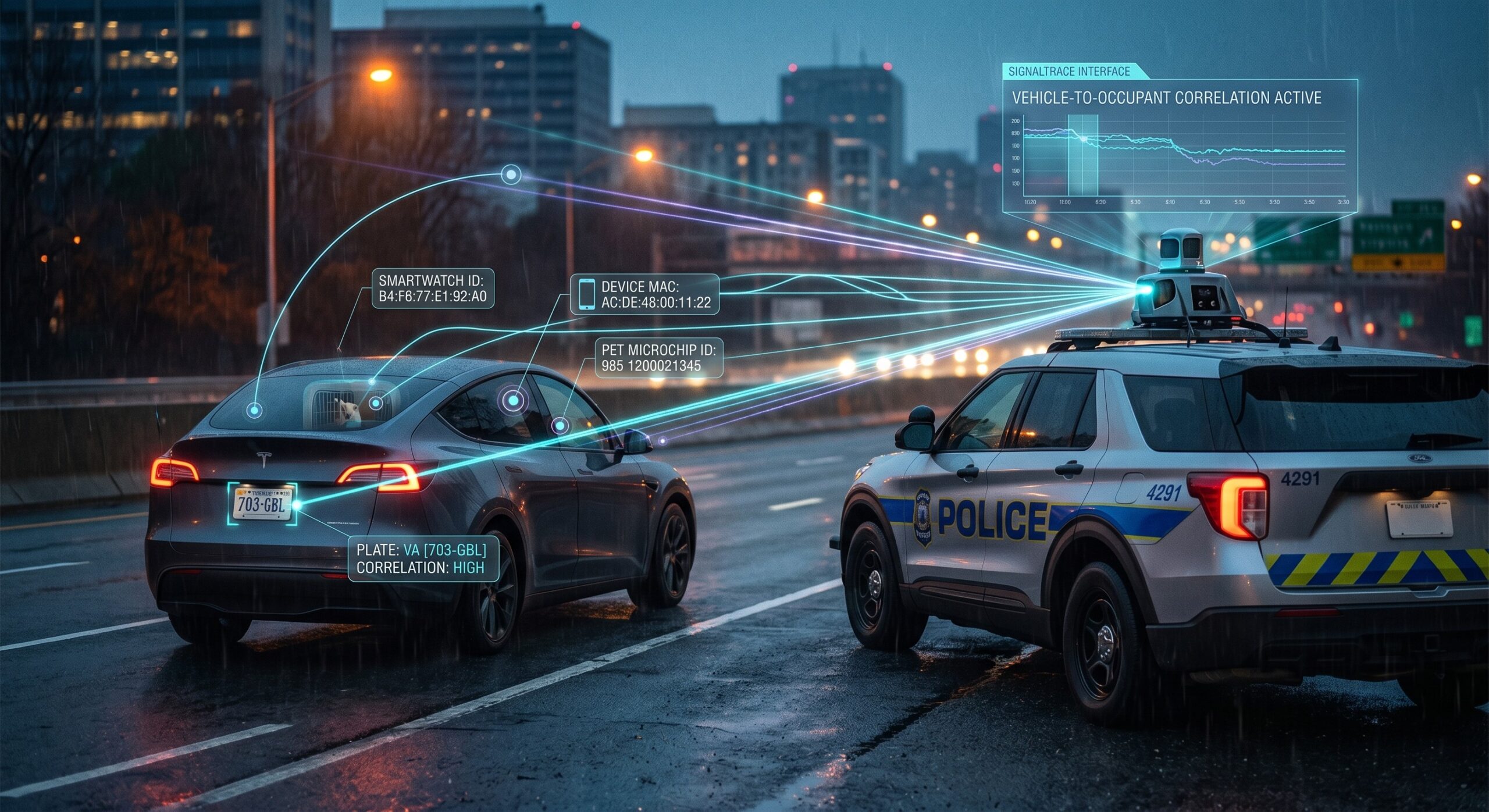
License plate cameras just leveled up, and they see your phone.
If you own a car and are concerned about privacy, this is for you. There is a massive story pertaining to privacy centered on your car and its license plate, but that opens the door to all of your electronics and you being tracked. It’s a brilliant piece of tech, but alarming.
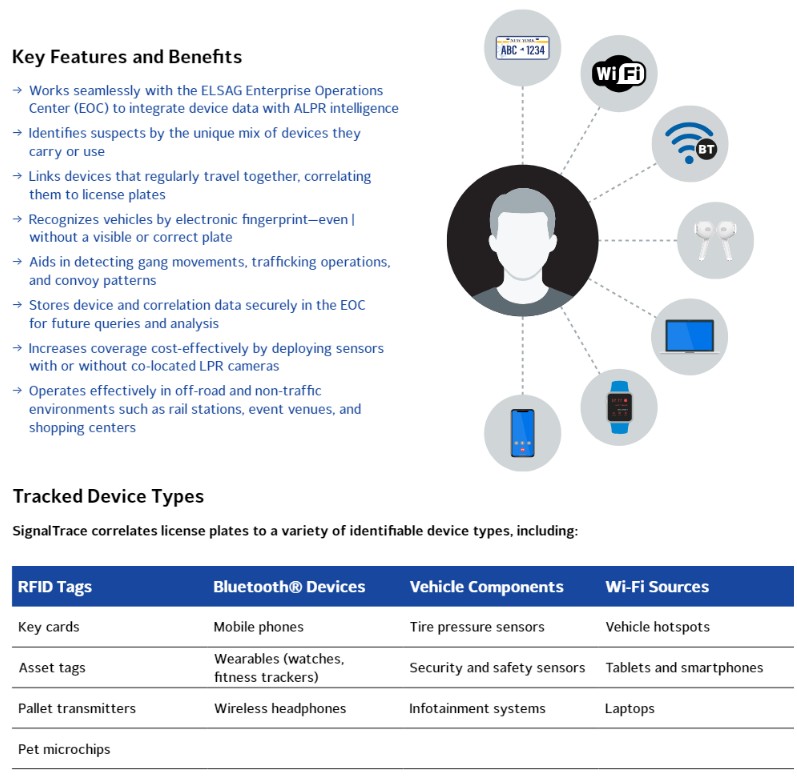
Leonardo’s own literature on SignalTrace. Leonardo
Data brokers already know your routine better than your mother does. They track your phone, map your commutes, and quietly monetize your existence. But if you thought your digital shadow couldn’t get any more crowded, defense contractor Leonardo just found a way to bridge the gap between the car you drive and the devices in your pocket.
I’ve worked for several of the largest data providers in the world. I have witnessed what they receive from data miners. This newest form goes beyond what I had conceived of, but now it’s a no-duh moment, but a scary one for all.
Enter SignalTrace.
For years, Automated License Plate Readers (ALPRs) have been a staple of law enforcement and border security. They snap a photo of your plate, log the time, and move on. It was passive surveillance, but it had a blind spot: it tracked the machine, not the human. SignalTrace elegantly eliminates that friction by pairing traditional plate cameras with sensors designed to scrape the unique electronic identifiers emitting from your smart devices.
The objective is simple: correlate the car with the occupant. As you cruise past a camera, the system isn’t just reading your bumper; it’s sniffing out your phone, your smartwatch, your Bluetooth headphones, and your car’s infotainment system. The company’s marketing materials even boast about picking up tire pressure monitoring sensors and, remarkably, pet microchips. If it has a wireless pulse, it is a target.
The Fiction of the “Opt-Out”
This tech relies on a patent Leonardo secured in 2024. In the accompanying press release, the company leaned heavily on a classic industry defense, noting that the technology merely “captures device frequencies emitted into the air” and “does not decrypt or capture the contents of the devices or their communications.”
It is a clever bit of corporate public relations, but the distinction is functionally meaningless for the end user. A surveillance firm does not need to read your text messages if they already know exactly who is sitting in the driver’s seat, where they parked, and who they met with. By harvesting unique Media Access Control (MAC) addresses and Bluetooth signatures, they create an inescapable “pattern of life” profile. You can leave your phone at home, but unless you plan on driving without tire sensors or ditching your dog’s microchip, you are on the grid.
For Leonardo’s existing customer base of police departments and federal agencies, this turns fragmented data into an automated, highly precise tracking network. For the rest of us, it means the public square just got a little tighter.
For more information, please visit the following:
Website: https://www.josephraczynski.com/
Blog: https://JTConsultingMedia.com/
Podcast: https://techsnippetstoday.buzzsprout.com
LinkedIn: https://www.linkedin.com/in/joerazz/
Leave a Reply
You must be logged in to post a comment.