
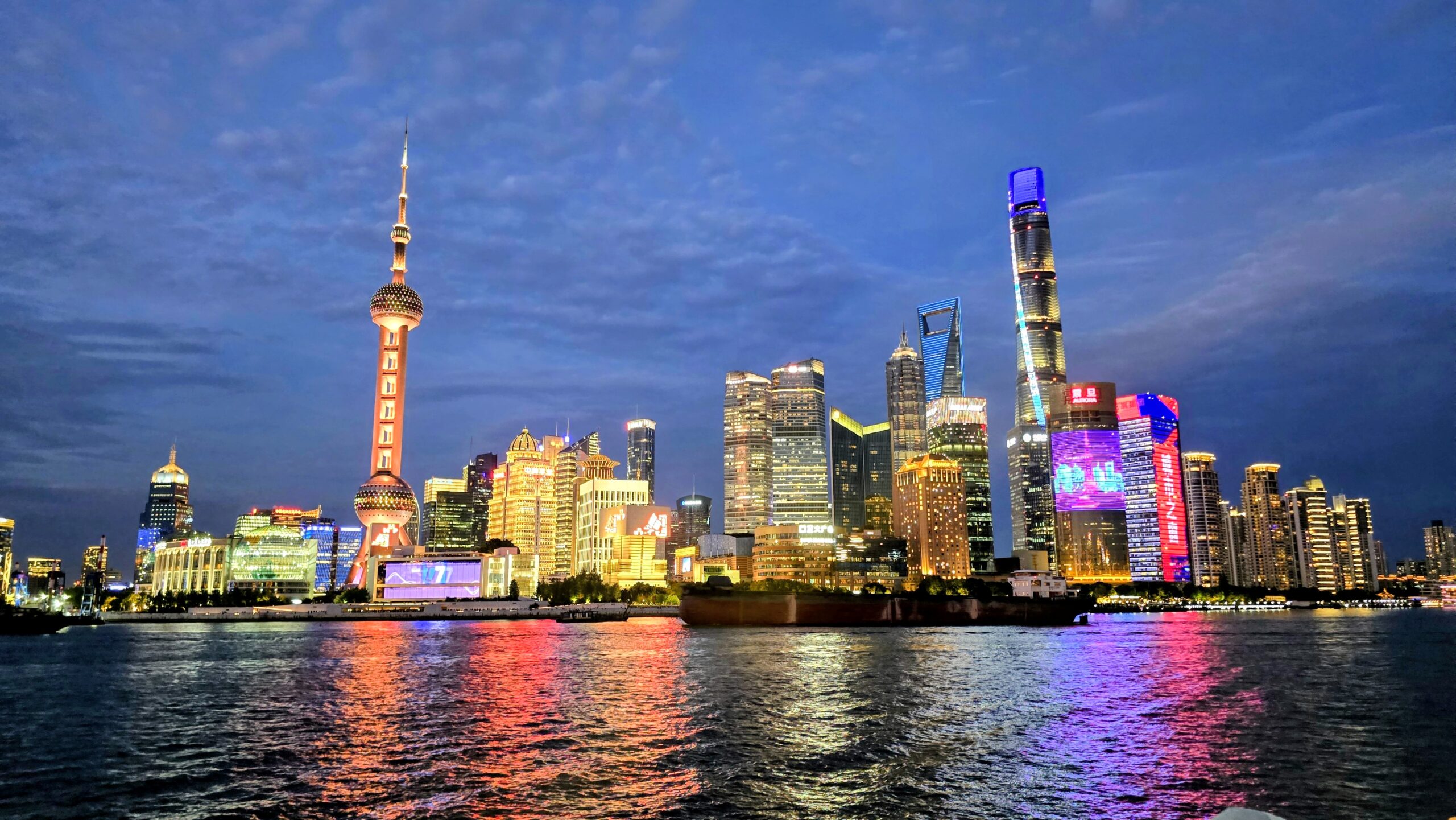
This is part 2 of a trip I took to China to better understand where they are with tech and how the culture is around it. If you want to read the first part, please start here: https://joetechnologist.com/part-1-my-china-trip-drone-delivery-robot-baristas-10k-electric-cars-trains-at-200-mph-yes-this-is-china/
Quick recap
This is a different type of post for me. It’s a bit more personal, but still ties to my love of deep tech, culture and its impact on all of us both personally and professionally. There is A LOT going on in China which is very important, IMO.
Context and Rationale
In May I was scheduled to be in Dubai for a conference, but due to the ongoing conflict, that trip didn’t happen. When another conference invite rolled into my inbox, this time to Hong Kong, it launched an incredible adventure that tapped into my lifelong rabid thirst for technology and how it mixes with culture and geopolitics. I embarked as a solo tourist without a guide on what was an absolute epic trip to cover the enormous cites of China and their rural country sides. Yes, I would visit their most known cities, Beijing, Shanghai, and Hong Kong, but honestly, the real adventure, the real culture, falls outside of those behemoths. They have cities that are even larger and feel more authentic, i.e. less influenced by the West. I could go for days without seeing another person that looked like me. There wasn’t any English spoken. I would get stares all day long. Requests for pictures was common – but that’s understandable, I am a funny looking fella, TBH. The aim, to truly understand and see where the Middle Kingdom stands with technology right now and how their culture fits into it. My mind was open; I put what we read and see on screens aside. The focus was on observations, experiences, primarily on their tech and infrastructure, but I also wished to touch on its interconnected culture and what the future may eventually look like.
Technology (Continued from Part 1)
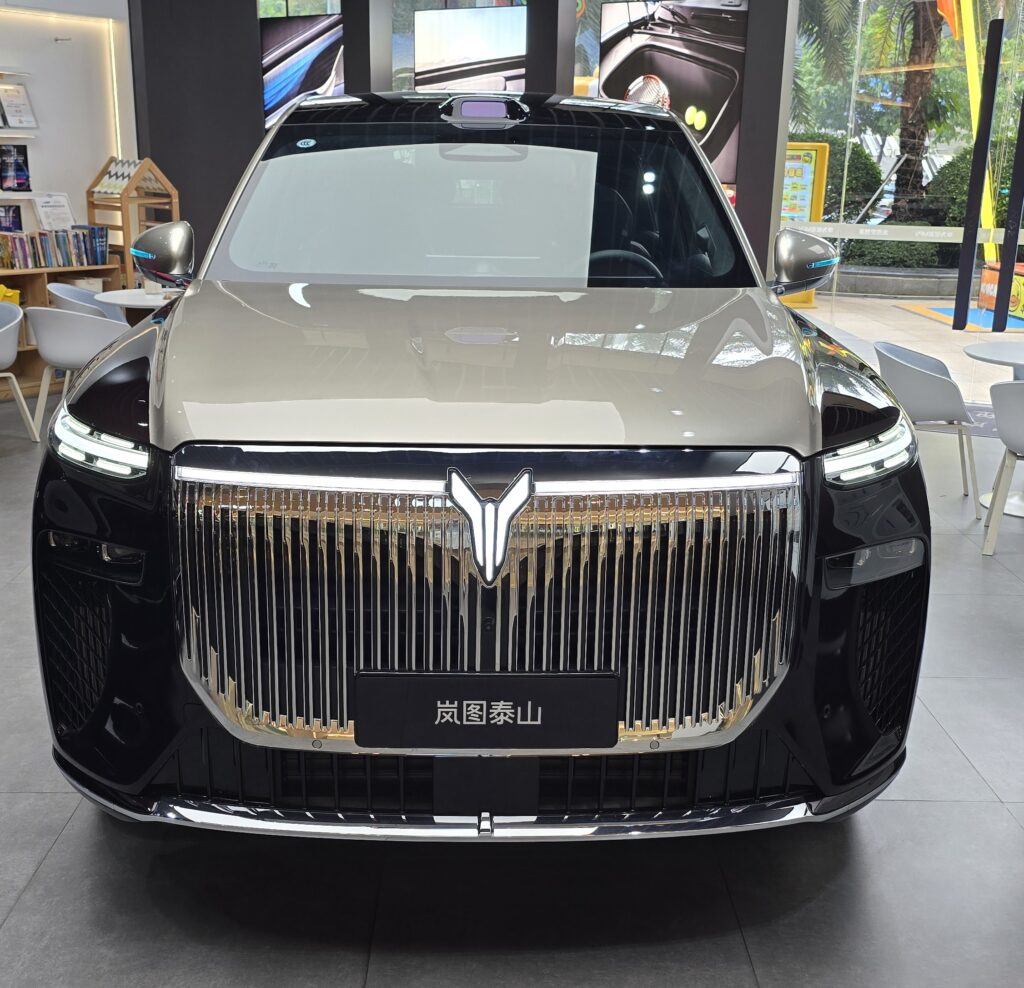
Electric Cars: I visited around 10-12 car dealerships during my time there. First, most of the dealerships are not household names in the US/Europe/LatAm or Africa, yet. Nearly every dealership produced very high end electric cars that feel more luxurious, contain more tech, have very innovative options and are a faction of the price. You can buy a BYD car, similar to the Tesla Model 3, for $10,000 USD. Their highest end top tier SUVs which are competing against Bentley for $60,000 USD. You can see what that looks like here. One option on a car is that on the roof they have a drone pops out and you can control it in the car while you are driving. It helps with looking ahead but also if you want to shoot video of your car in a remote location.
Most of the bigger cities I visited, by my own estimation, 75 percent of cars were electric. The air was incredibly clean, but more than that, imagine being in NYC and not hearing the noise from car engines. It’s unreal and way more peaceful – except you still hear the horns, which they actually don’t use too often in their cars. The motor bikes, nearly 95% electric are still beeping away. At least one of the car companies offers a service where instead of charging your car, you can go to a place to swap the battery in five minutes and drive onwards.
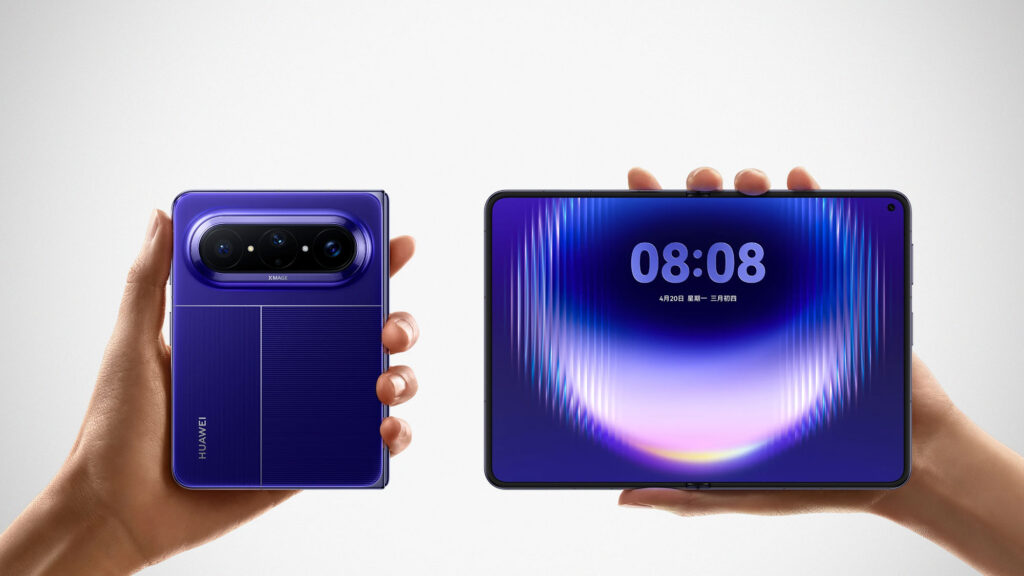
Phones: They have quite a few phone companies that I knew of before arriving, but they don’t really work in the US because they are not connected to the Play Store. It’s a pity, because often they are on the bleeding edge of tech. Trifold phones, that means it literally has three screens that fold into each other, there’s also flip phones with two screens, they have an amazing build quality, look and feel and great colors.
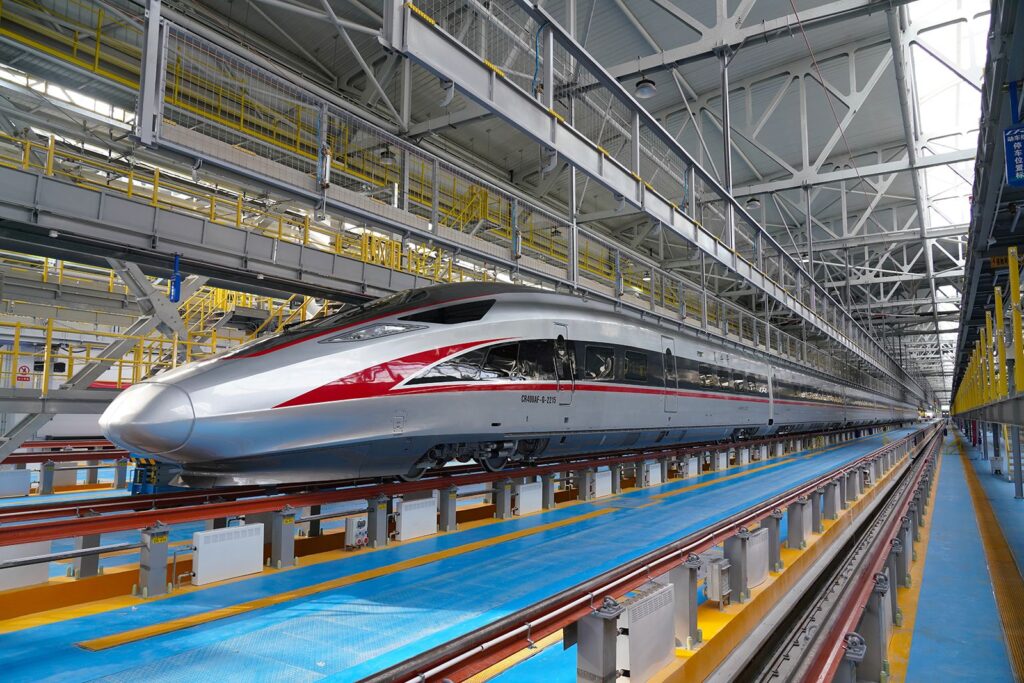
Bullet Trains: I took several trains that were silky smooth and topped out at 349KM/H or 210 MPH. They were stunning, clean, fast, and uber stable. Japan is also known for their trains, but I would say these are even newer and faster, but would need to confirm if this is true.
Security & Living:
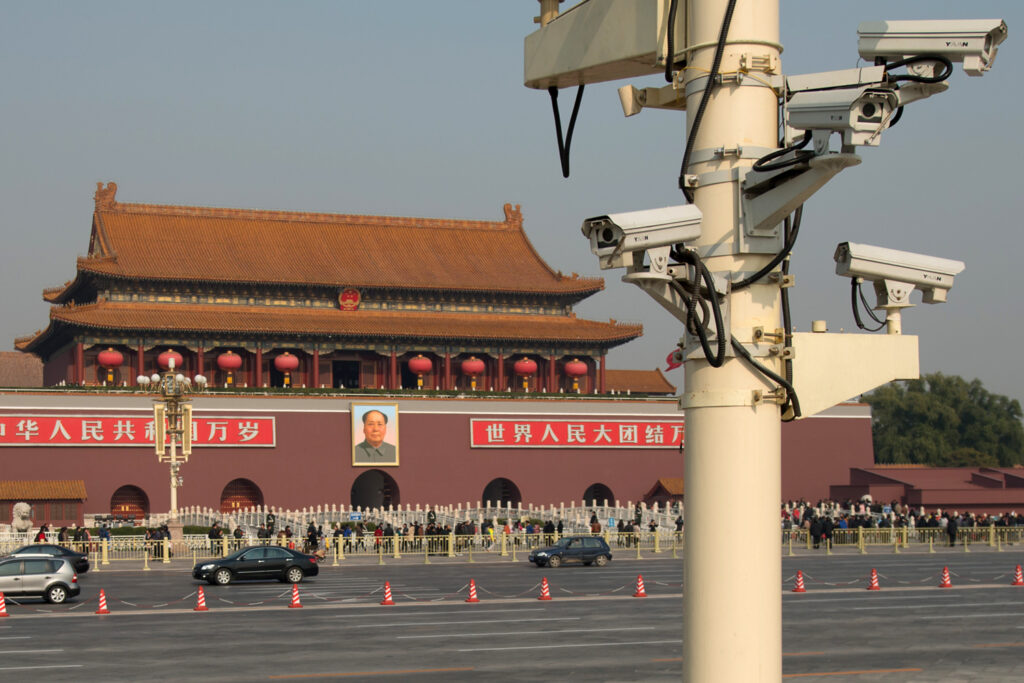
In general police and security are everywhere. Every few blocks you might see a tent with police presence just watching traffic or as a place people can go to for their needs. Cameras are on every street corner, and are likely equipped with facial recognition. Drivers get their car’s picture taken nearly every few blocks in the city and are noticeable by bright flashes of light.
That said, it felt like any other city in the world with how people act and interact. The Chinese are not as obedient as the Japanese when it comes to walking across the street when permitted. In Japan, everyone honors the “no walking” signs. In China it is a mixed bag, but on the whole people follow the signs. That said, the bikes and motor bikes do not. They all go whenever they wish.
With all of that security in place, people generally seem at ease. There was no crime that I saw, no spraypainted walls, no homelessness. I didn’t see any shoplifting, nor did I see any drug use in any of the cities, towns, or rural areas.
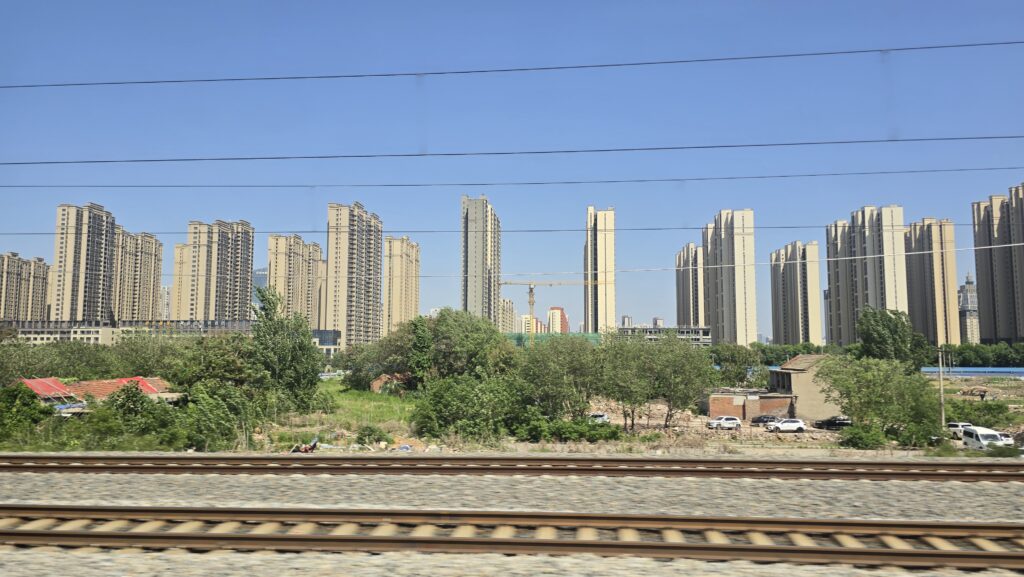
I’ve seen the statistic that 90% of Chinese own their own home, which is astonishing. Based on my travel the biggest gap between other quickly advancing countries is that the Chinese seem to have the most modest homes. Many of them were enormous buildings, often in groups of dozen if not many dozens of the exact same looking buildings. Many of those did seem dilapidated, but increasing as I went from city to city I saw newer development with brand new, modern buildings being constructed.
Public Signage:
Most places I visited, there were signs that mentioned the environment, keeping things clean, and not spitting. Nearly everywhere everything was extremely clean. They had recycling bins and litter bins on most corners in many cities. Other cities seemed to have taken after the Japanese and there were few if any trash bins out and about. If you aren’t aware, in Japan, they tend not to have any trash cans anywhere. It’s your responsibility to hold on to your own trash and take it home, or go to a 7-11 and drop it off.
Facial Recognition & Palm Reading:
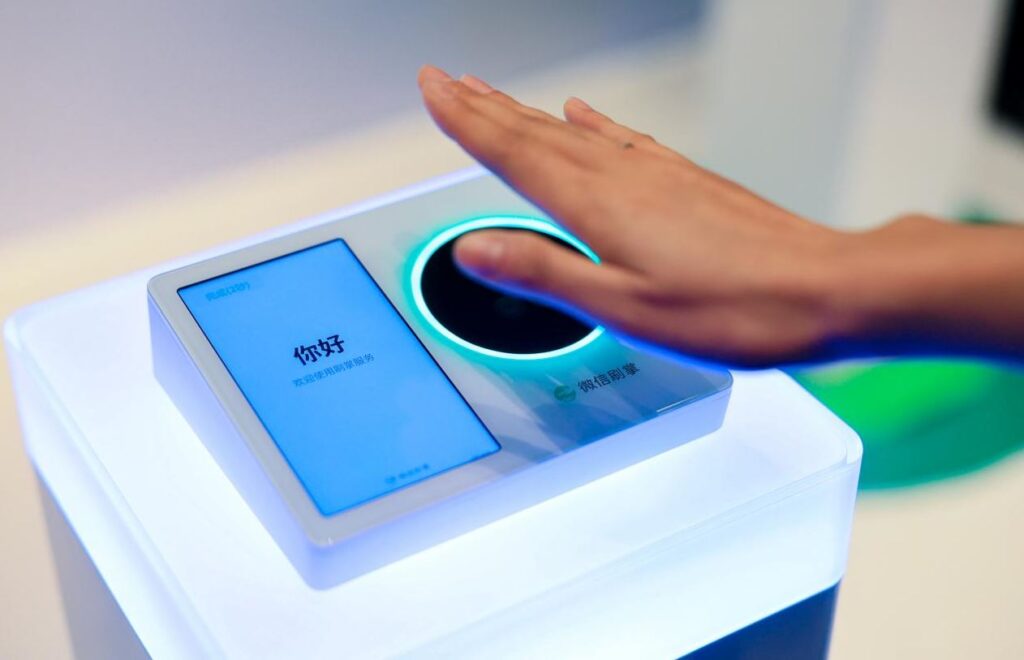
Once you use your national ID at a park, the cameras throughout the park use facial recognition to let you into other ticketed portions. At some stores you can register your palm to pay going forward for your kung pao chicken.
Communism/Socialism:
While officially a socialist state, you would never know this was the case based on people operating. Everyone was selling their own wares. All the cities felt like any other city in the world, people selling stuff on the street or in their own shops, advertising everywhere, and shockingly, there feels like there’s more patriotism exhibited in the US than in China. I saw Chinese flags on occasion, but they certainly were not everywhere – except for Shanghai, on all of the old British buildings. The Chinese people rarely wore any nationalistic looks. One of the most seen hats I saw was “Colorado” which I believe is from the University of Colorado, in Boulder – very random.
Food:
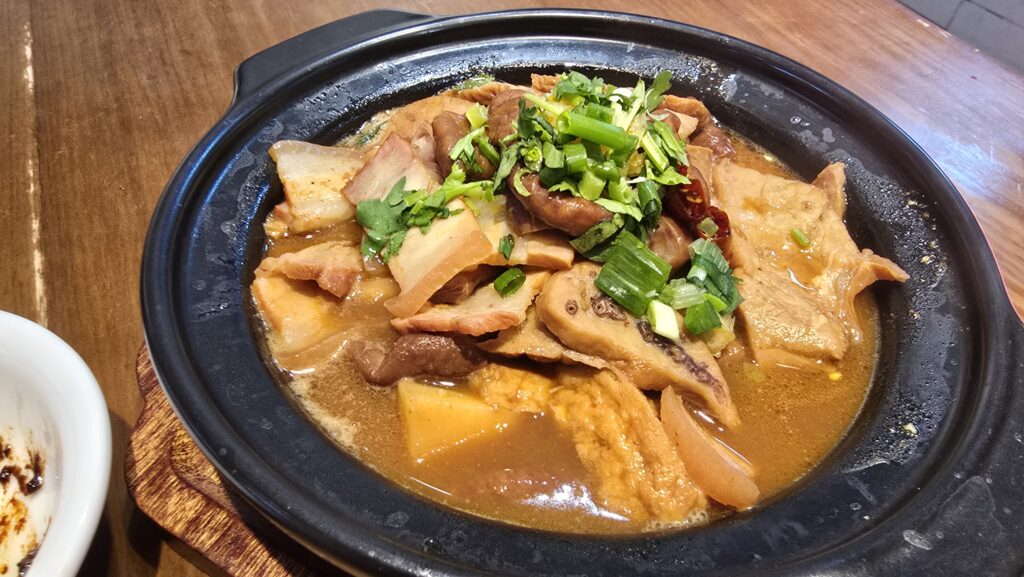
They have an enormous range of food. Honestly, they seem to be wise about use of their resources. I made this mistake multiple times, even as an adventurous eater often it went a step beyond what I could muster. My translation app would stay the item on the menu was chicken, but when it arrived it would be every part of the chicken in a stew including all of the organs. The same thing happened with pork dishes. It was tasty, but a lot. Good on them for not wasting anything.
Technology Final Thoughts: China was built on the backs of engineers, the United States built by attorneys. If you think about that for a bit, it explains where this is all going. China has created a country that is perfectly positioned for future growth. They have infrastructure, thousands of miles of new rail, the belt and road international plan to link the world to China, electrification of cars/buses/homes, building ports, wind energy is everywhere, but most importantly they have massive manufacturing prowess. They can build anything with ease, because they have cities that can pump out any circuit, device, mold, lubricant, battery, or anything you need to create a new widget in very little time. From concept to reality, it can be built very rapidly. As their engineers start pushing on AI even more, I believe they will continue to grow their innovation acumen. You can see it with their robots now.
The United States has held historically led, especially in tech, but when it comes to manufacturing or turning an idea into the widget quickly, the US can’t scale at the moment. This will be a huge problem in my opinion. I’ve always said that software or code can be developed anywhere and increasingly by anyone with greater ease as vibe coding tools proliferate globally, but increasingly as AI is placed into hardware (cars/robots/drones/etc.) China is in an amazing position. The primary issue in the US goes back to my first statement in this summary, China simply builds without limits or restraints, because they are engineers unhindered by the same rules. In the US, if you wanted to build a new nuclear plant, I have heard it might take 20 years of permitting and working with local, state, and federal agencies and local communities to get approval, because we are an attorney first society built on litigation. Look at what’s happening with data centers in the US. I’m not saying the pushback is wrong, I am simply saying China doesn’t have that same dynamic. So, what this leads to is that China has 36 commercial reactors under construction and another 16 planned. I also believe China will catch up with their chip tech to rival the best high end chips in the world soon. Energy and chips – that’s the race. Whoever wins that it will achieve AGI or Super Intelligence first. That’s what leads us to a new world for better or worse.
Videos
If you are curious about the sights and sounds of these locations, I pulled together some travel videos that touch on technology, culture, and the logistics of each area in China and Taiwan.
Chongqing (premiers 6/10/2026)
Zhangjiajie (premiers 6/18/2026)
Shanghai (premiers 6/24/2026)
Beijing (premiers 7/1/2026)
For more information, please visit the following:
Website: https://www.josephraczynski.com/
Blog: https://JTConsultingMedia.com/
Podcast: https://techsnippetstoday.buzzsprout.com
LinkedIn: https://www.linkedin.com/in/joerazz/
Leave a Reply
You must be logged in to post a comment.